New CDC Guideline for Prescribing Opioids for Chronic Pain
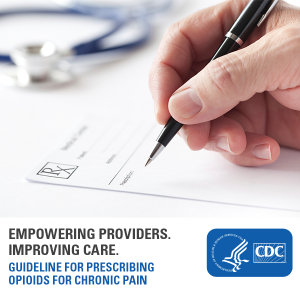
The CDC recently released guidelines for prescribing opioids for chronic pain. This particular guidance was created to assist primary care providers who are presently treating adults with chronic pain. The guidelines do not include directions for cancer, palliative, and end-of-life care patients. With that said, if you are a patient, doctor, or a caregiver, it is important to be well educated in what the CDC suggests.
The hope is to improve communication between the health care provider and the patient. For instance, there are benefits and risks to be considered when opioids are used as the chosen course to treat chronic pain.
Also, a better understanding of the safety and effectiveness of these drugs might improve the treatment results. Lastly, with the improvements mentioned, even the risks associated with long-term opioid therapy (opioid use disorder and overdose) may be reduced or even thwarted.
The 12-point CDC recommendations are broken down into three sections:
Determining when to initiate or continue opioids for chronic pain
Opioid Selection, Dosage, Duration, Follow-Up, and Discontinuation
Assessing Risk and Addressing Harms of Opioid Use
For your perusal, below we have included the 12 points, along with the respective section groupings. For a digression of each point, please see the CDC, Recommendations and Reports, March 18, 2016, 65(1);1–49. Whether you are a patient, doctor, caregiver, or just from sheer curiosity, we hope this will help you have a better understanding of the benefits and drawbacks of opioid use for chronic pain.
Guideline for Prescribing Opioids for Chronic Pain
Determining When to Initiate or Continue Opioids for Chronic Pain
Opioid Selection, Dosage, Duration, Follow-Up, and Discontinuation
Assessing Risk and Addressing Harms of Opioid Use
Source
CDC Guideline for Prescribing Opioids for Chronic Pain — United States, 2016, CDC. Retrieved on March 18, 2016.
DISCLAIMER: RapidDetox.com is an educational and informational resource. The content on this website is not a substitute for professional medical advice, diagnosis, or treatment. Waismann Method® operated as an opioid treatment program for nearly three decades and now publishes educational material drawn from that experience and from current public health and regulatory sources. We are not a treatment provider and do not offer clinical services. Always consult a qualified healthcare professional for guidance about your own health situation. Information may be derived from a range of sources and may not reflect regulations in your country, state, or local jurisdiction. Photos used on this website are stock photos posed by models.
DISCLAIMER: The content presented on this website is not a substitute for professional medical advice. It is for your information only and may not represent your true individual medical situation. Do not hesitate to consult your healthcare provider if you have any questions or concerns. Do not use this information to diagnose or treat a health problem or disease without consulting a qualified healthcare professional. Be advised that RapidDetox.com articles are derived from various sources and may not reflect your own country’s regulations.
Photos used on this website are stock photos posed by models.
 The CDC recently released guidelines for prescribing opioids for chronic pain. This particular guidance was created to assist primary care providers who are presently treating adults with chronic pain. The guidelines do not include directions for cancer, palliative, and end-of-life care patients. With that said, if you are a patient, doctor, or a caregiver, it is important to be well educated in what the CDC suggests.